Best Wall Cladding Options for Modern Home Design Ideas?
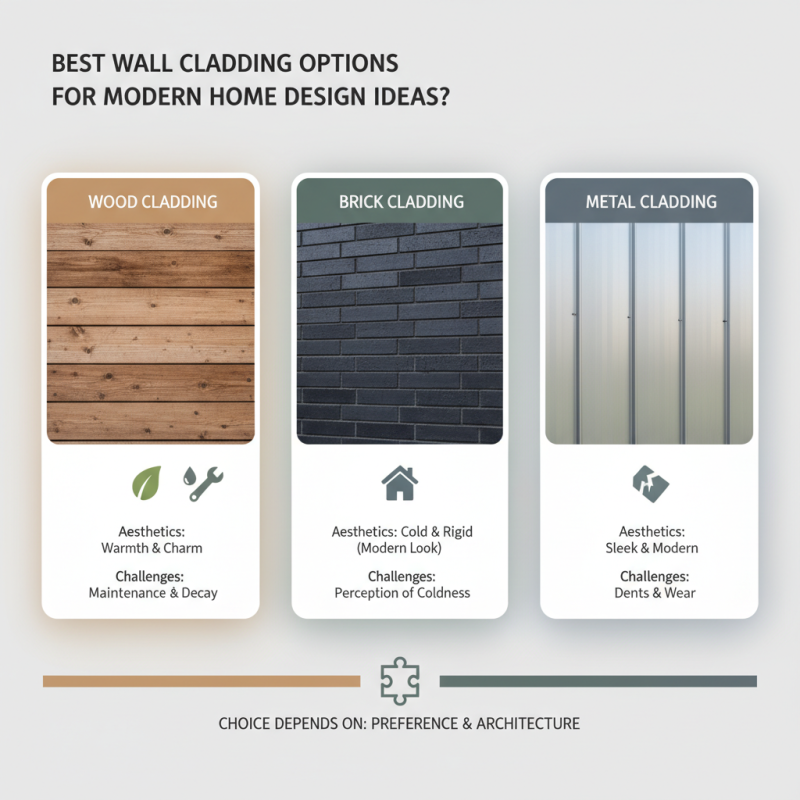
Wall cladding is a critical element in modern home design. It enhances aesthetics and protects structures from environmental elements. Selecting the right wall cladding can transform a dull facade into a stunning visual statement.
In today's market, various materials offer unique benefits. Options like wood, brick, and metal each provide distinct styles and functions. The right choice depends on personal preferences and architectural harmony. For some, natural wood adds warmth and charm. For others, sleek metal exudes modernity.
However, each material comes with challenges. Wood requires regular maintenance to prevent decay. Brick might feel cold and rigid. Metal can dent and show wear easily. Reflecting on these factors helps homeowners make informed choices. Exploring different wall cladding options reveals the perfect fit for individual tastes and lifestyles.
Best Wall Cladding Materials for Contemporary Interior Design
When it comes to contemporary interior design, the choice of
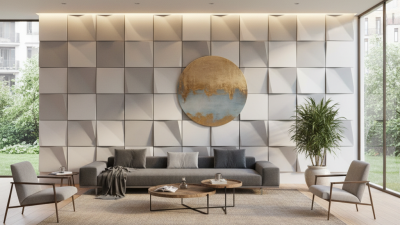
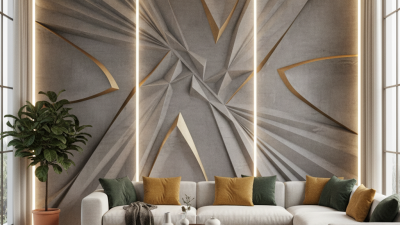
wall cladding materials can significantly impact the overall aesthetic.
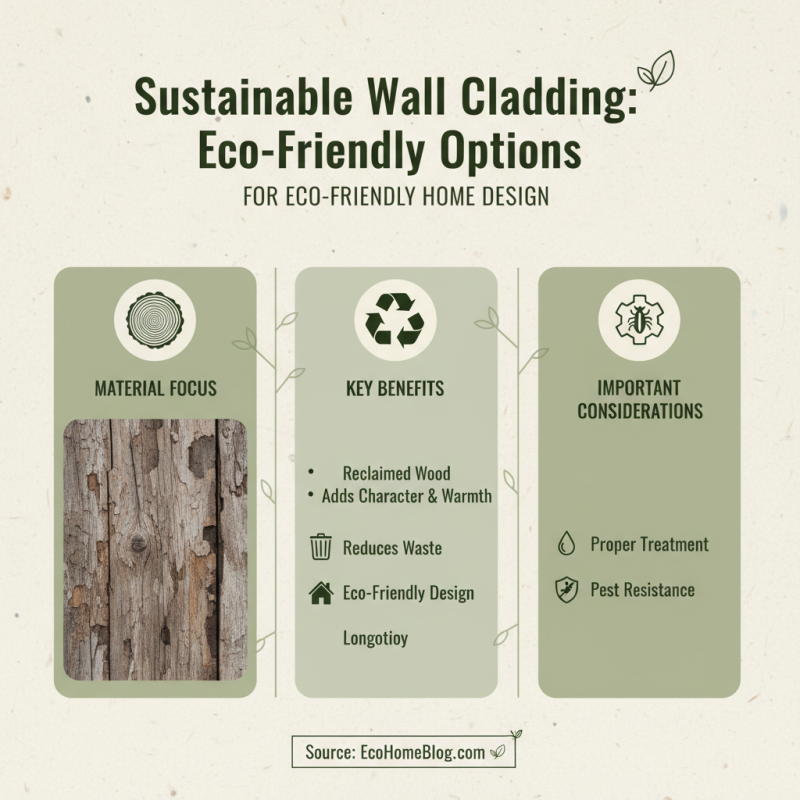
Natural wood offers warmth and texture. It can be used in
various styles, from rustic to minimalist. However, maintaining wood can be challenging.
It may require regular treatment against moisture or pests.
Another popular option is concrete. It provides a sleek, modern look
that fits urban environments well. Concrete can be finished in numerous ways, enhancing its visual appeal.
Yet, it can feel cold and uninviting when used excessively.
Balancing concrete with softer materials can create a more inviting atmosphere.
Metal cladding is also on the rise. It brings an industrial flair and
can reflect light beautifully. However, scratches and dents can easily occur, affecting the finish.
Considering the installation environment is crucial to ensure longevity.
Each material has its pros and cons.
Experimentation and personal taste are key to achieving
the desired look.
Advantages of Using Wood Paneling for Modern Homes
Wood paneling is a popular choice for modern homes. It brings warmth and natural beauty to any space. The texture of wood adds depth and character, making interiors feel inviting. Many homeowners appreciate how wood can seamlessly blend with various design styles. From rustic to contemporary, it fits well.
One significant advantage of wood paneling is its versatility. Different wood types offer unique grains and colors. This allows for personalized aesthetics. Wood can be used on walls, ceilings, or as accents. However, maintenance is crucial. Over time, wood can suffer from wear and tear. Regular sealing protects against moisture and fading.
Another benefit is the sound-absorbing quality of wood. It helps reduce noise levels, creating a peaceful environment. Homeowners often favor this feature for living rooms and bedrooms. Yet, it’s essential to consider installation methods. Misalignment can lead to gaps and uneven surfaces. Precision is key in enhancing the overall look.
Stylish Stone Cladding Ideas to Elevate Home Aesthetics
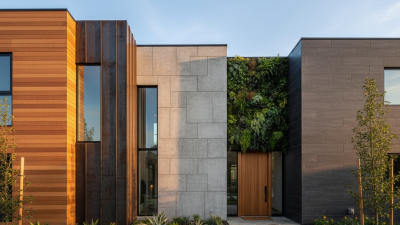
Stone cladding has become a preferred choice in modern home design.
This material adds texture and elegance to any structure. According to a recent report by the
National Association of Home Builders, stone cladding can increase property value by as much as
10%. This statistic supports the idea that investing in quality materials pays off.
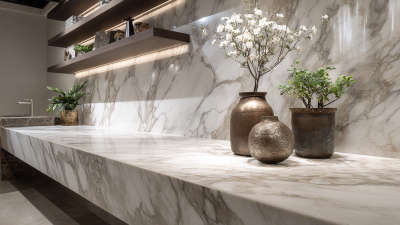
When selecting stone cladding, consider the variety of textures available. From sleek and polished finishes to rustic and weathered stones, the options are endless.
For example, quartzite offers a unique shimmer that can catch light beautifully. However, the installation process can be complex and may
require professional help. Not all homeowners are prepared for this extra cost.
Trends show that natural stone blends are gaining popularity. Combining different stones can create striking visual effects. Yet, achieving balance in these combinations can be challenging.
Homeowners should visualize their design carefully to avoid overwhelming their spaces.
Color harmony matters in making stone cladding look cohesive and intentional.
Innovative Uses of Metal Cladding in Modern Architecture
Metal cladding is increasingly popular in modern architecture. Its sleek appearance enhances the aesthetic of contemporary homes. This material comes in various finishes, including brushed, polished, and painted. These options allow designers to create unique facades that reflect their vision. Metal is also durable, resistant to harsh weather, and requires minimal maintenance, making it suitable for long-term use.
Many architects explore innovative applications for metal cladding. For instance, it can be used to create striking roofs or dramatic outdoor features. A creative approach might involve layering different metal types to achieve texture. This adds dimension and intrigue to the exterior. However, the reflective nature of metal can also present challenges. It may lead to unintended glare, affecting nearby spaces. Designers must balance aesthetics with practicality carefully.
Sustainability is also critical in modern home design. Metal cladding can be recycled, making it an eco-friendly choice. However, sourcing practices for metal can vary significantly. Some suppliers may not prioritize responsible manufacturing. Homeowners and architects must do their research. Selecting reputable sources ensures that projects align with sustainable goals. Thoughtful decisions today can lead to lasting impacts on the environment and the home's overall appeal.