2026 Best Wall Cladding Options to Enhance Your Home?
Wall cladding is an essential aspect of home design. It can dramatically enhance curb appeal. In 2026, many homeowners are exploring new and innovative wall cladding options. These materials not only serve a protective function but also add aesthetic value. They can transform the ordinary into the extraordinary.
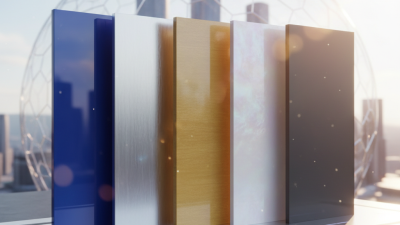
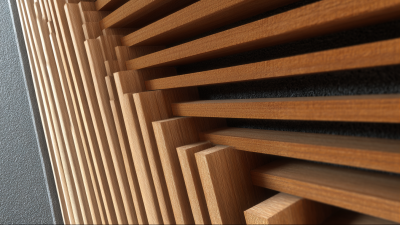
Choosing the right wall cladding requires careful consideration. Some options may be more durable yet expensive. Others might be budget-friendly but less appealing. For instance, wood cladding offers warmth but demands regular maintenance. On the other hand, metal cladding provides a sleek look and low upkeep. Each choice carries its own set of pros and cons. Reflecting on these choices is crucial.
As trends evolve, the options for wall cladding diversify. Homeowners can find unique textures, colors, and finishes. However, practicality should never take a back seat to style. Striking a balance between aesthetics and functionality is fundamental. Each wall tells a story, and the choice of cladding defines that narrative. Carefully consider your home's needs before deciding.
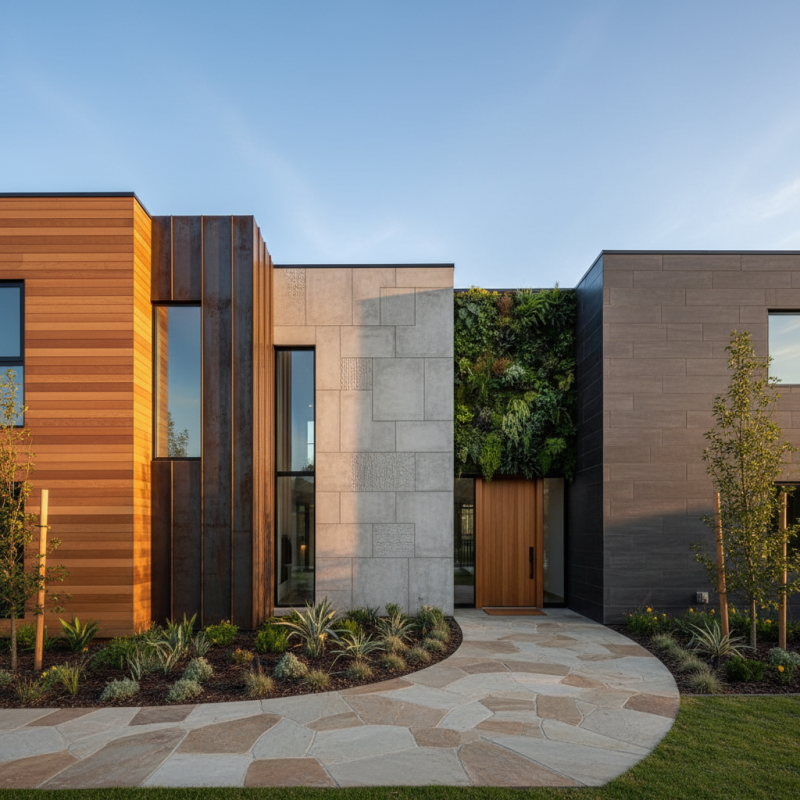
Overview of Wall Cladding and Its Importance in Home Design
Wall cladding plays a crucial role in home design, significantly impacting aesthetics and functionality. The right cladding enhances the visual appeal of a property. It can also contribute to energy efficiency and durability. A report from the American Institute of Architects found that properly installed cladding can improve insulation and reduce energy costs by up to 20%. This highlights the importance of choosing the right materials.
Different wall cladding options provide various benefits. For instance, natural stone adds elegance but may require regular maintenance. In contrast, vinyl is durable and low-maintenance, appealing to many homeowners. However, the internal climate of a home can be affected by the choice of materials. A study by the International Code Council indicates that improper moisture management in wall systems can lead to costly repairs and health issues. Thus, reflection on material selection is necessary.
While many options exist, it's vital to consider the long-term implications of your choice. Some materials may look appealing initially but fail to stand the test of time. For example, untreated wood can warp and decay, despite its charm. Homeowners should weigh both aesthetic desires and practical longevity when selecting cladding.
Types of Wall Cladding Materials: Pros and Cons
When selecting wall cladding materials, it's essential to weigh their pros and cons carefully. Popular options include wood, vinyl, and brick. According to a report by the National Association of Home Builders, wood cladding provides a natural aesthetic that is hard to replicate. However, it requires ongoing maintenance and can be vulnerable to pests and weather damage. This investment might not suit everyone’s budget.
Vinyl is an attractive alternative, known for its durability and low maintenance. It comes in various colors and styles, allowing customization for any home. Surprisingly, some reports suggest that over 30% of homeowners choose vinyl for its affordability. Yet, it isn’t completely eco-friendly and may not withstand extreme conditions as effectively as brick.
Brick offers substantial longevity and an unmatched classic look. Yet, installation costs can be high. A DIY approach might seem tempting, but without proper skills, it could lead to costly mistakes. A recent survey highlights that nearly 45% of homeowners wish they had considered maintenance needs more seriously when choosing wall materials. Each option has its trade-offs, emphasizing the need for thoughtful decision-making.
2026 Best Wall Cladding Options to Enhance Your Home
This chart displays the popularity percentage of various wall cladding materials for 2026. Vinyl remains the most popular choice among homeowners, with wood and brick following behind. Understanding these materials can help you make an informed decision for enhancing your home's exterior.
Aesthetic Considerations: Choosing the Right Style for Your Home
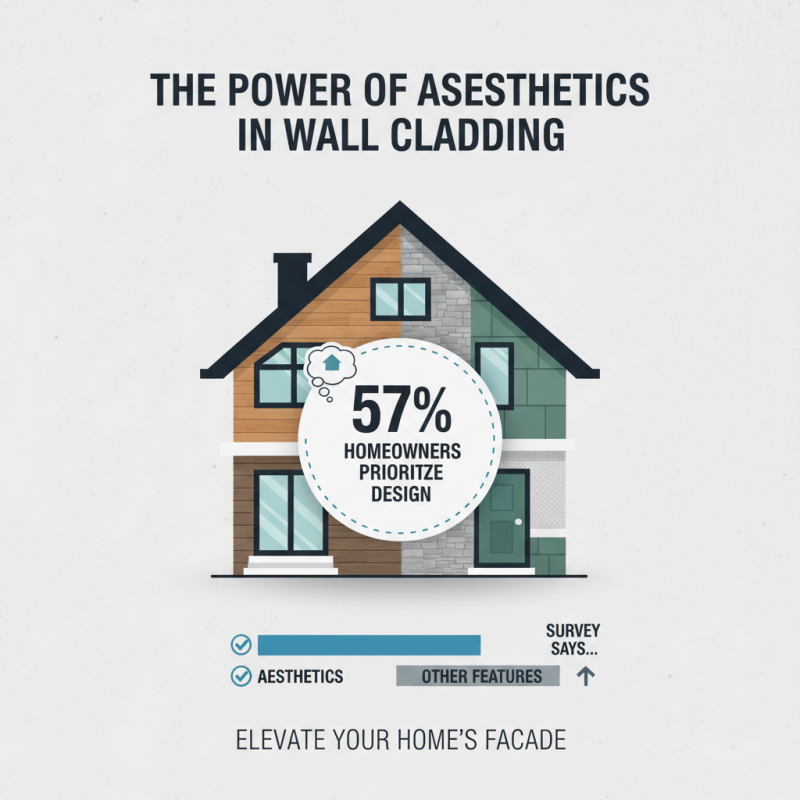
When selecting wall cladding, aesthetic considerations are crucial. The right style can enhance your home’s facade significantly. According to recent surveys, 57% of homeowners prioritize design over other features when upgrading exterior cladding. This data highlights the importance of aesthetics.
Different materials offer various styles. Wood cladding, for example, lends a warm, rustic feel. However, it requires regular maintenance to prevent rot. In contrast, fiber cement provides a sleek, modern look and lasts longer with less upkeep. A report from the National Association of Home Builders indicates that 45% of new homes feature fiber cement due to its durability and versatility.
However, selecting the wrong style can be a costly mistake. Overwhelming options often lead to confusion. Many homeowners regret their choices after install. Visualizing how different cladding integrates with your home’s architecture is essential. It’s easy to overlook the impact of color and texture. Not every choice will suit every home, and that’s okay. Investing time in research can ensure a better outcome.
Maintenance and Durability: Factors to Consider When Selecting Cladding
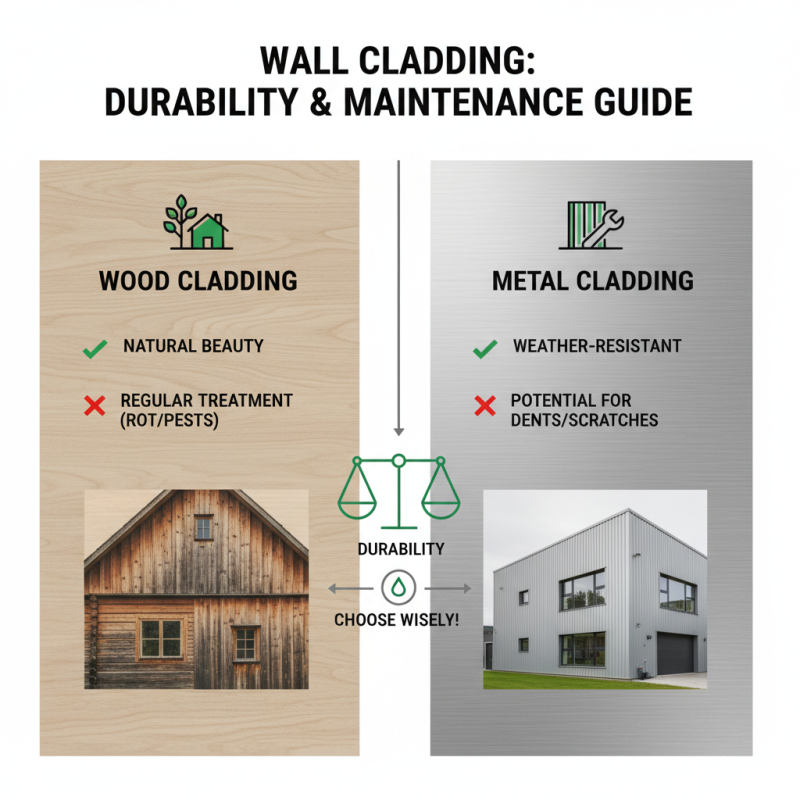
When selecting wall cladding for your home, maintenance and durability are crucial factors. Different materials perform in varying ways under weather conditions. For instance, wood cladding offers natural beauty but requires regular treatment to prevent rot and pests. On the other hand, metal cladding is resistant to weather, but it may show dents or scratches over time.
Consider also the installation process. Some cladding materials are complex to install and could lead to additional costs. Think about how often you'll need to clean and maintain your chosen cladding. For instance, vinyl siding is low maintenance and can last for decades. However, its color may fade in direct sunlight, which is another aspect to ponder.
Durability is not just about weather resistance; it's about how the material interacts with your specific environment. Make sure to assess local climate factors. Will your area experience heavy rains or extreme temperature fluctuations? Your choice should reflect an understanding of these elements. Reflect on your lifestyle too. How much time are you willing to invest in upkeep? This decision shapes not only the look of your home but also its longevity.
Cost Analysis: Budgeting for Your Wall Cladding Project
Planning a wall cladding project? Budgeting is crucial. Recent industry reports suggest that homeowners can expect to spend between $7 and $15 per square foot on materials. This range can fluctuate based on material choices, such as wood, vinyl, or stone. For example, natural stone tends to be on the higher end, while vinyl offers a budget-friendly alternative.
Labor costs add another layer of expense. On average, hiring professionals for installation can increase the total project cost by 30% to 50%. This investment often ensures a quality finish. Yet, many homeowners opt for DIY. While this can save money, lack of experience may lead to costly mistakes.
Additionally, consider long-term savings. Quality cladding reduces energy consumption by improving insulation. Homeowners might see lower heating and cooling bills over time. It is essential to assess both initial costs and future value. This analysis can help avoid overspending and ensure a smart investment in your home's aesthetic and functionality.