How to Choose the Best WPC Flat Panel for Your Projects?
Choosing the right WPC flat panel for projects can significantly influence the outcome. The global WPC market is expected to reach $9 billion by 2026, reflecting its growing popularity. This rise in demand highlights the importance of careful selection to match project needs effectively.
WPC flat panels combine wood and plastic, offering durability and aesthetic appeal. Reports show these panels are 50% lighter than traditional materials, making them easier to install and transport. While they resist moisture and pests, not all products are created equal. Some may warp or fade over time, raising concerns about long-term performance.
Understanding the specifications and applications is essential. Different projects may require unique features from WPC flat panels. Researching trusted manufacturers can help in making informed choices. The right panel can enhance longevity and functionality, contributing to project success.
Key Factors to Consider When Choosing WPC Flat Panels for Projects
Choosing the right WPC flat panels for your projects requires careful consideration of several key factors. These panels often combine wood and plastic fibers, making them a versatile choice for various applications.
First, evaluate the material quality. Strong, durable panels will reduce maintenance and ensure longevity, even in challenging environments.
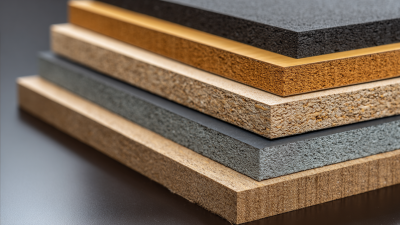
Tip: Look for panels with a high-density core. This feature enhances strength and minimizes the risk of warping or cracking over time. It’s essential to review any available certifications that speak to the quality of these materials.
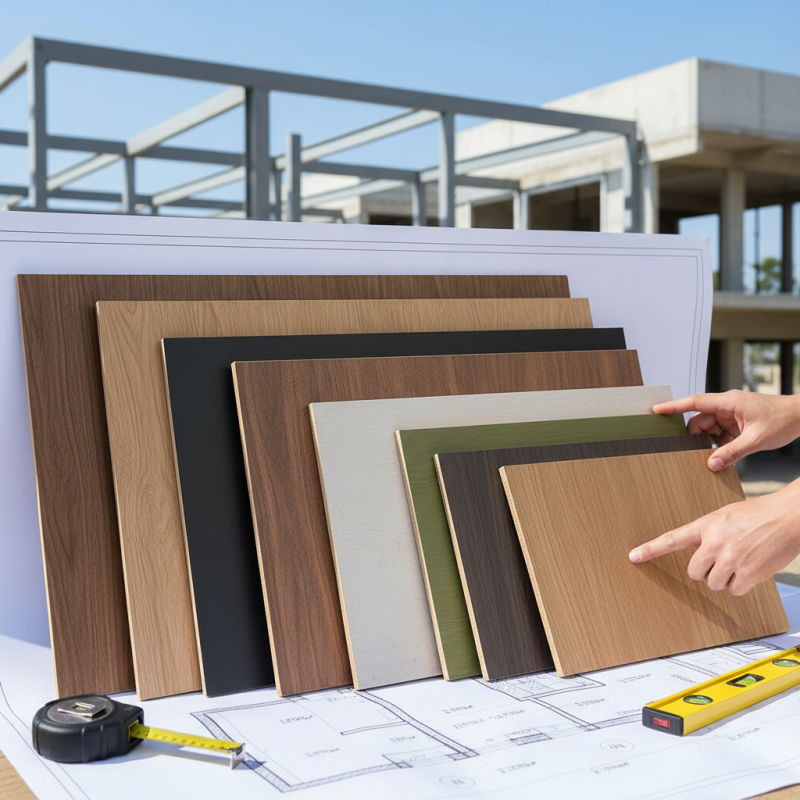
Another factor is color and texture. The visual appeal can significantly impact your project’s overall aesthetic. Choose colors that complement your design while also providing resistance to fading. Some finishes can mimic natural wood, giving you both style and functionality.
Tip: Test samples to see how each option fits your vision. Don't hesitate to experiment with different textures and finishes. This approach can lead to unexpected and pleasing results.
Lastly, consider installation requirements. Some panels are easier to install than others. Research the tools and techniques needed to ensure a smooth process. A well-executed installation will enhance the longevity of your WPC flat panels and the success of your project.
Understanding the Composition and Benefits of WPC Materials
WPC, or wood-plastic composite, is gaining momentum in construction. It combines wood fibers with plastic materials. This fusion results in a product that's highly durable and resistant to moisture. WPC panels are less prone to warping and splintering, making them an ideal choice for various applications. They can mimic the appearance of wood while offering enhanced longevity.
Understanding the composition of WPC materials is crucial for making informed choices. These panels typically contain recycled wood content, contributing to eco-friendliness. Their versatility allows for usage in both indoor and outdoor settings. In outdoor environments, they withstand harsh weather conditions better than traditional wood. This durability is appealing but may lead some to overlook the need for periodic maintenance.
While WPC offers many benefits, it’s not without challenges. Some users notice slight fading over time, particularly in direct sunlight. Others may find their surface textures less appealing than natural wood. These aspects warrant consideration before committing to this material for long-term projects. It’s always wise to weigh the pros and cons. Optimizing your choice will help ensure a successful outcome for your construction goals.
How to Choose the Best WPC Flat Panel for Your Projects? - Understanding the Composition and Benefits of WPC Materials
| Property |
Description |
Benefits |
| Composition |
Wood fibers and plastic composites |
Durability and sustainability |
| Water Resistance |
Resistant to moisture and mold |
Suitable for outdoor use |
| Maintenance |
Low upkeep required |
Cost-effective over time |
| Aesthetic Options |
Available in various finishes and colors |
Customizable to project needs |
| Environmental Impact |
Made from recycled materials |
Eco-friendly choice |
| Durability |
Resistant to splitting, cracking, and warping |
Long-lasting performance |
Analyzing Performance Metrics: Durability, Weather Resistance, and Longevity
When choosing a WPC flat panel, understanding its performance metrics is essential. Durability is a key factor. Look for panels that can withstand heavy traffic and resist scratches. It's important to analyze the thickness and the construction materials. Thicker panels usually perform better over time.
Weather resistance is another crucial aspect. Panels should be designed to endure extreme weather conditions, including intense heat, cold, and moisture. Consider whether the surface treatment is adequate. A well-treated panel will perform better against UV rays.
Tip: Before buying, ask for samples. Testing a small piece outdoors can give insights into its long-term performance.
Longevity is often overlooked. Many products look good initially but may degrade rapidly. Researching the average lifespan of various panels can help. Look for user reviews that discuss their experiences over several years.
Tip: Be cautious of claims. Once a product is installed, replacing it can be costly.
Taking time to evaluate these performance metrics will help ensure your choice is right for your project.
Comparing Costs: WPC Flat Panels vs. Traditional Wood Materials
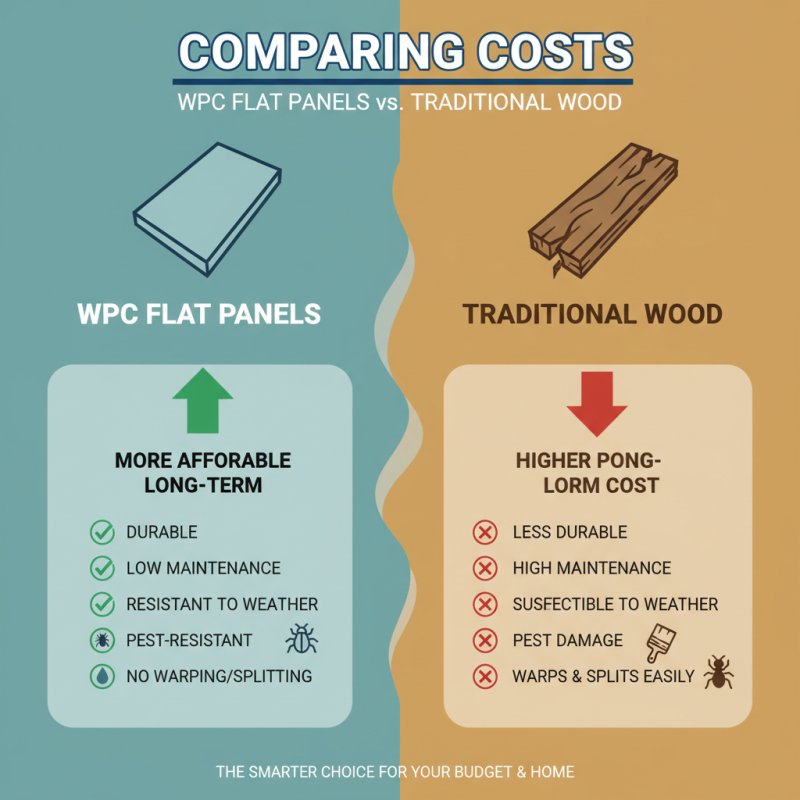
When comparing costs, WPC flat panels often present a competitive option against traditional wood materials. WPC, or Wood-Plastic Composite, is typically more affordable in the long run. This is mainly due to its durability and low maintenance requirements. Traditional wood can warp, splinter, and requires regular treatments. In contrast, WPC offers resilience against weather and pests.
One important aspect to consider is the initial investment. While WPC may have a higher upfront cost, it's essential to factor in lifespan and maintenance. Over time, savings on upkeep and replacement can offset the initial expenditure.
Tips: When budgeting for materials, evaluate your project's lifespan and usage. Ask yourself: How often will this panel need replacement? Evaluate potential long-term costs versus short-term savings. This approach can aid in making a more informed decision. It's wise to collect quotes from different suppliers. Don't forget to ask about warranties as they can indicate quality and reliability.
Sustainability in WPC Production: Environmental Impact and Certifications
Sustainability has become a crucial factor in material selection. Wood-Plastic Composite (WPC) production claims to offer environmentally friendly benefits. However, it is essential to dive deeper into the environmental impact of these materials. The production process often involves plastics, which raises questions about the carbon footprint and energy consumption.
Certifications play a vital role in assessing the sustainability of WPC products. Look for certifications that indicate recycled content and responsible sourcing. Verified eco-labels can offer insights into the material's lifecycle. Some WPCs may not meet these standards, raising concerns for conscientious builders. Understanding these certifications helps ensure your choices align with environmental goals.
The perception of WPC as a green alternative can be misleading. Not all products undergo rigorous testing. Some may contain harmful additives that could jeopardize the environment. It is essential to assess each option individually.
Weighing the pros and cons allows for informed decision-making. Sustainability is a journey, not a destination. Products must continuously improve to truly meet ecological standards.