Inquiry
Form loading...

How to Choose the Best Bamboo Wall Panel?

Choosing the best Bamboo Wall Panel is not only a design decision. It is a performance decision.

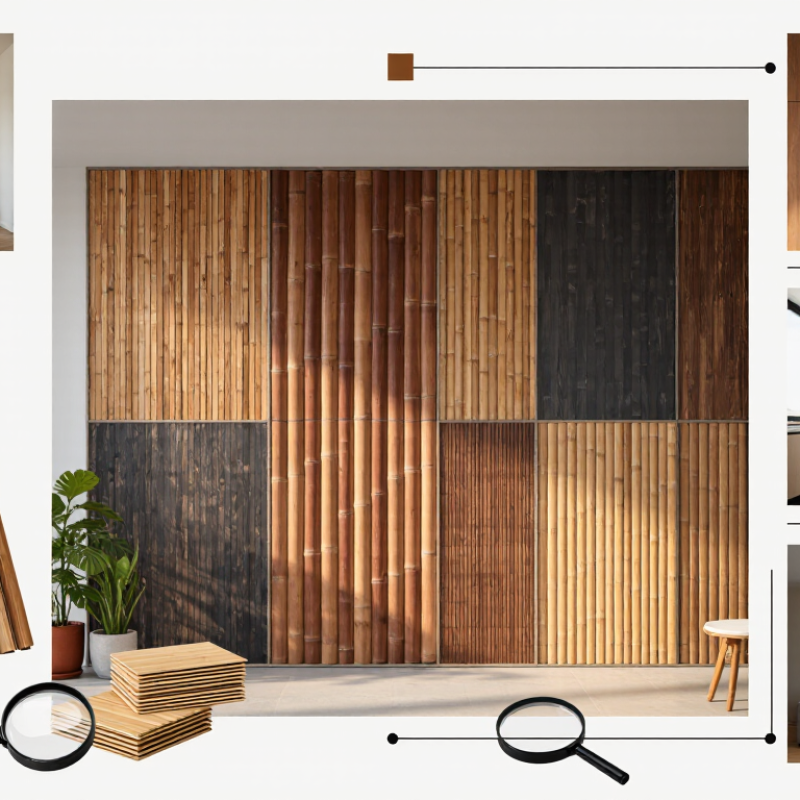
A warm honey tone may look attractive in a showroom. However, lighting can hide uneven strips, weak bonding, or surface defects. Experienced buyers request full-size samples. Small samples often conceal joint patterns and color variation. Check the panel’s core, surface finish, edge quality, and installation method. Ask whether the panel suits bathrooms, kitchens, offices, or dry living areas. Moisture resistance matters greatly. So does dimensional stability.

Bamboo researcher David Farrelly stated, “Bamboo is a grass, not a tree.” This reminder matters because bamboo panels behave differently from conventional timber products. Species, maturity, carbonization, adhesive selection, and pressing quality influence durability. Look for clear technical data, formaldehyde information, and responsible sourcing records. A trusted supplier should explain these details without vague promises.

There is no perfect panel.

Natural bamboo may show knots, tonal shifts, and small surface marks. These details can create character, but they may also disappoint buyers expecting uniform color. Dark carbonized panels can feel elegant, yet they may show scratches more easily. Strand-woven bamboo often feels dense and durable, although cutting and installation require suitable tools. Consider the wall substrate, room humidity, cleaning habits, and expected traffic before choosing. I would not select a panel from photographs alone. A physical sample reveals far more. The best Bamboo Wall Panel balances appearance, safety, maintenance, verified quality, and realistic expectations.
How to Choose the Best Bamboo Wall Panel?

What Is a Bamboo Wall Panel and How Is It Used?

A bamboo wall panel is a decorative or functional covering made from bamboo strips, fibers, or layered bamboo veneer. Manufacturers press or join these materials into panels with different textures, colors, and thicknesses. Some surfaces look smooth and modern, while others show visible joints and natural grain. It feels warm.

These panels are commonly used on living room walls, bedrooms, offices, reception areas, and ceilings. They can soften sound slightly and add visual depth behind a desk or bed. However, a bamboo panel is not automatically waterproof. Kitchens, bathrooms, and damp basements require moisture-resistant treatment, careful sealing, and suitable ventilation. I once assumed every bamboo surface could handle humidity, but that was a poor assumption.

Before choosing one, inspect the wall condition and measure the installation area carefully. A dry, level surface helps prevent gaps and panel movement. Check the product’s moisture limits, cleaning instructions, formaldehyde emissions, and fire-performance documentation. Reliable technical sheets matter more than attractive photographs. For heavy panels, use the recommended adhesive or mechanical fasteners, and allow expansion around edges. Natural bamboo may change slightly with temperature and humidity. That detail is easy to overlook. A sample panel can reveal color variation, odor, edge quality, and how strongly the texture catches dust.
Which Bamboo Panel Materials and Styles Suit Your Space?

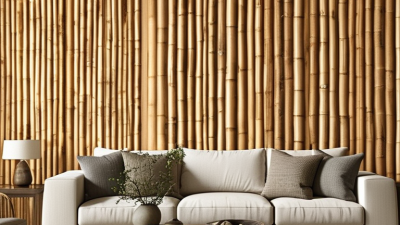
Choosing bamboo wall panels starts with the room, not the catalog image. Solid bamboo offers a dense, natural grain for dry living rooms. Strand-woven bamboo feels harder and more dramatic, but its pattern can dominate small spaces. Engineered panels use bamboo layers over a stable core. They usually reduce movement during humidity changes. INBAR’s 2019 sector report valued global bamboo and rattan production at about US$68.8 billion in 2018. That scale shows maturity, but it does not make every panel equal.

For a narrow hallway, vertical slats can make the ceiling feel taller. Fluted surfaces add shadow, while flat panels create a calmer background for artwork. Woven designs work best as accent walls. They may collect dust. In kitchens or bathrooms, check moisture resistance, edge sealing, and installation limits. Do not assume bamboo alone handles steam. Ask for emissions testing, core composition, and documented fire classification. LEED guidance evaluates low-emitting materials through product documentation, not attractive wording. That distinction matters.

Market evidence also deserves careful reading. Grand View Research’s 2024 bamboo-products report forecasts roughly 5.8% annual growth through 2030. Rising demand can encourage rushed manufacturing. I would inspect a sample in daylight, touch its edges, and smell the finish. A strong chemical odor is a warning, though not proof of failure. My imperfect rule is practical: choose the material that tolerates your room’s moisture, traffic, and cleaning habits. Style should support the space, not overpower it.

How to Choose the Best Bamboo Wall Panel? Which Bamboo Panel Materials and Styles Suit Your Space?
Panel Material or Style Typical Construction Visual Character Recommended Applications Moisture Suitability Durability Maintenance Key Selection Consideration
Solid Bamboo Slat Panel Parallel bamboo strips bonded to a backing board or assembled as a slatted surface. Warm linear texture with a natural, architectural appearance. Living rooms, bedrooms, offices, reception areas and feature walls. Best for dry interior spaces; avoid prolonged water exposure. High Dust regularly and wipe with a slightly damp cloth. Refinish when the protective coating wears. Choose the slat width and spacing according to the desired balance between texture, acoustics and visual openness.
Bamboo Veneer Panel A thin bamboo veneer applied over a stable engineered-wood core. Consistent grain and a refined, furniture-like finish. Cabinet fronts, media walls, study areas, corridors and decorative interior panels. Suitable for normal indoor humidity when properly sealed; not intended for wet zones. Medium to High Use non-abrasive cleaners and prevent standing moisture at edges and joints. Inspect the core material and edge treatment, because stability depends on the full panel construction.
Strand-Woven Bamboo Panel Compressed bamboo fibers formed under high pressure into a dense panel. Distinctive, dense grain with a contemporary and substantial look. High-traffic interiors, commercial walls, stair features and durable furniture applications. Appropriate for protected interior areas; sealing is important in humid conditions. Very High Clean with a soft cloth and mild cleaner; repair surface scratches according to the finish system. Consider the greater weight and allow suitable wall supports and fixing hardware.
Bamboo Acoustic Slat Panel Bamboo slats mounted over an acoustic backing, commonly PET felt or a mineral-fiber layer. Rhythmic vertical or horizontal lines with a soft, modern backdrop. Home offices, meeting rooms, restaurants, studios and media rooms. Designed mainly for dry interior environments; protect the backing from moisture. Medium to High Vacuum or dust the felt carefully and wipe the bamboo surface without saturating it. Acoustic performance depends on the backing, air gap, room surfaces and installation method—not only the bamboo slats.
Bamboo Woven Panel Thin bamboo strips woven into a flexible or semi-rigid decorative sheet. Organic pattern with a handcrafted, textured appearance. Ceilings, screens, cabinet inserts, hospitality interiors and decorative partitions. Use in dry, sheltered areas; humidity can affect natural woven materials. Medium Dust gently and avoid aggressive scrubbing, excessive water and direct heat. Best when a natural decorative effect is more important than impact resistance.
Bamboo 3D or Fluted Panel Machined or molded bamboo-based surface with raised ribs, grooves or geometric relief. Strong depth, shadow lines and a prominent statement-wall effect. Entryways, dining areas, retail interiors, hospitality spaces and feature walls. Generally intended for dry interior use; seal exposed edges in humid rooms. High Use a soft brush or vacuum attachment to remove dust from grooves. Check the groove depth, panel alignment and lighting direction before installation.
Carbonized Bamboo Panel Bamboo thermally treated to create a darker brown tone before being formed into a panel. Rich amber to coffee-colored appearance with a warmer, more dramatic mood. Feature walls, libraries, lounges, restaurants and traditional or contemporary interiors. Suitable for protected indoor environments when finished and installed correctly. High Limit prolonged direct sunlight and maintain the protective finish to help preserve color. Color variation is natural; order enough material from the same production batch for visual consistency.
Natural-Light Bamboo Panel Bamboo retained in a lighter natural tone with a clear or lightly tinted protective finish. Bright, clean and spacious appearance that complements minimalist interiors. Small rooms, Scandinavian-style spaces, bedrooms, wellness areas and contemporary offices. Best for dry indoor spaces with stable temperature and humidity. High Remove dust regularly and protect the surface from abrasive contact and standing water. Pair with light-colored walls for an airy effect or dark accents for stronger contrast.
Bamboo Outdoor-Grade Panel Engineered bamboo treated and finished for greater resistance to exterior exposure. Natural wood-like texture suitable for contemporary outdoor design. Covered patios, sheltered balconies, exterior soffits and semi-outdoor feature walls. More suitable for sheltered exterior use than standard interior panels, but not maintenance-free. High Follow the finish schedule, keep drainage clear and inspect joints for moisture entry. Confirm the product is specifically rated for exterior conditions and match it to the local climate.
Selection tip: Before purchasing, verify the panel’s actual dimensions, core material, fire classification, formaldehyde-emission rating, moisture limitations, installation method and required expansion gaps. Bamboo is a natural material, so grain, tone and density can vary between panels.

How to Evaluate Panel Quality, Durability, and Safety

How to Choose the Best Bamboo Wall Panel?

How to Evaluate Panel Quality, Durability, and Safety

A reliable bamboo wall panel starts with traceable material and controlled processing. The International Bamboo and Rattan Organisation reports that many commercial bamboo species reach harvest maturity within three to five years. Fast growth, however, does not guarantee a strong panel. Ask about bamboo age, moisture content, strand orientation, adhesive type, and pressing temperature. Look past the surface. A smooth finish can hide weak bonding or uneven density.

Moisture changes everything. Check whether the panel has passed water absorption, thickness swelling, and repeated humidity tests. Examine the edges closely; poorly sealed edges often swell first. ASTM E1037 and related laboratory methods can help evaluate bonding and physical performance, but the test report should match the exact panel structure. I have seen attractive samples warp after installation because the room lacked acclimatization. That mistake is easy to repeat.

For indoor safety, request formaldehyde and VOC test results, not vague “eco” claims. The U.S. EPA TSCA Title VI limits formaldehyde emissions to 0.09 ppm for hardwood plywood, 0.05 ppm for particleboard, and 0.13 ppm for medium-density fiberboard. The World Health Organization recommends keeping indoor formaldehyde below 0.1 mg/m³ over 30 minutes.

Fire performance also needs evidence. Look for an ASTM E84 or equivalent report covering flame spread and smoke development, especially near kitchens, corridors, or public spaces. A certificate dated years ago may not represent today’s adhesive formula.

How to Choose the Right Size, Color, Texture, and Finish

Choosing the best bamboo wall panel starts with accurate measurements. Measure the wall width, height, doors, outlets, and trim separately. A simple sketch prevents expensive cutting mistakes. For small rooms, narrow panels can make the wall feel taller. Wider panels create fewer seams and a calmer appearance. Leave a small expansion gap near the floor and ceiling.

Color should respond to natural light. Pale bamboo reflects sunlight and suits compact rooms. Warm honey tones add comfort to bedrooms and reading corners. Darker shades can look elegant, but they may make poorly lit spaces feel smaller. Always inspect a physical sample beside your flooring and furniture. Screen colors are not fully reliable.

Texture changes how the wall feels under your hand and under evening lights. Fine grain appears clean and quiet, while deeper texture adds visual movement. I once selected a heavily textured panel for a narrow hallway, and the shadows felt too busy. That choice needed more thought. Consider the viewing distance and cleaning routine. A matte finish hides fingerprints better than a glossy one. However, gloss can brighten a dim wall and make colors look richer. Check the finish for consistent edges, stable backing, and suitable moisture resistance before installation. Bathrooms and kitchens require greater care than dry living areas.

How to Choose the Best Bamboo Wall Panel?

A practical guide to selecting the right size, color, texture, and finish for your interior space.

The guide score reflects practical selection priority: accurate sizing prevents installation waste, color should work with natural and artificial light, texture affects the visual character of the wall, and the finish determines protection and maintenance requirements. Always confirm the panel specification and finish suitability with the supplier before installation.

How to Compare Installation Methods, Maintenance, and Overall Cost

Choosing bamboo wall panels begins with the installation method, not the surface finish. Tongue-and-groove panels create a clean appearance but demand accurate wall leveling. Adhesive installation is quieter and faster on smooth drywall. Battens allow airflow behind panels, especially on uneven masonry, but they reduce room depth. In my renovation experience, a small hollow sound often reveals poor substrate preparation. That detail matters.

A small hollow sound often reveals poor substrate preparation. That detail matters.

Compare total cost, not panel price. RSMeans 2024 Cost Data separates materials, preparation, fasteners, and labor, showing why installation can change the budget sharply. Adhesive may reduce hardware costs, but removal becomes slower and messier. Mechanical fixing costs more initially, yet damaged panels can be replaced individually. Ask contractors for labor hours, waste allowance, corner trims, and disposal charges. Get room-specific estimates.

Maintenance also affects long-term value. The International Bamboo and Rattan Organisation identifies bamboo as a rapidly renewable material, but renewability does not guarantee durability indoors. Keep panels away from persistent moisture, wipe spills quickly, and maintain stable humidity. The U.S. Environmental Protection Agency recommends controlling indoor humidity between 30% and 50%, which helps limit mold risk. Finish quality still matters. Some panels need periodic recoating; others only need dry dusting. I would test one hidden panel first. Finishes can age unevenly, and glossy surfaces reveal fingerprints. A cheaper installation may become expensive after repeated repairs.