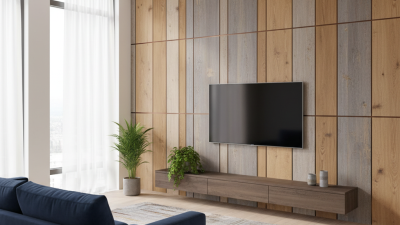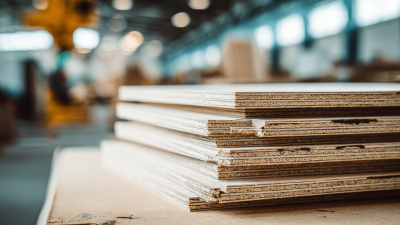
Choosing the best PU Stone for your project requires more than matching a color or attractive texture. The panel must suit the wall, climate, installation method, and expected daily use. A warm sandstone finish may look convincing in a showroom, yet perform poorly on a damp exterior wall. That difference matters.
David Chen, a PU Stone materials consultant with extensive project experience, says, “Choose the panel for the wall’s conditions, not only for its appearance.” This principle keeps the decision practical. Check the panel’s density, surface coating, dimensional stability, water resistance, and fire-performance documentation. Ask suppliers for technical data, installation guidance, and sample pieces. Reliable manufacturers should explain how their PU Stone products behave under sunlight, temperature changes, and repeated cleaning.
Look closely.
A good sample should reveal realistic grain, consistent color, clean edges, and a stable backing. Press the surface gently. Notice whether it feels firm or overly soft. Compare several panels under natural light, because artificial lighting can hide unwanted color variation. Consider transport and cutting waste, too. A cheaper panel may become expensive after breakage, poor fitting, or frequent repairs.
There is no universal “best” PU Stone. Interior feature walls, commercial facades, garden structures, and humid rooms need different specifications. Even experienced buyers can overlook drainage or substrate preparation. That is worth admitting. Careful selection combines visual judgment with documented performance, installer experience, and the project’s real conditions. This guide explores those choices clearly, so your final decision is attractive, durable, and easier to defend.
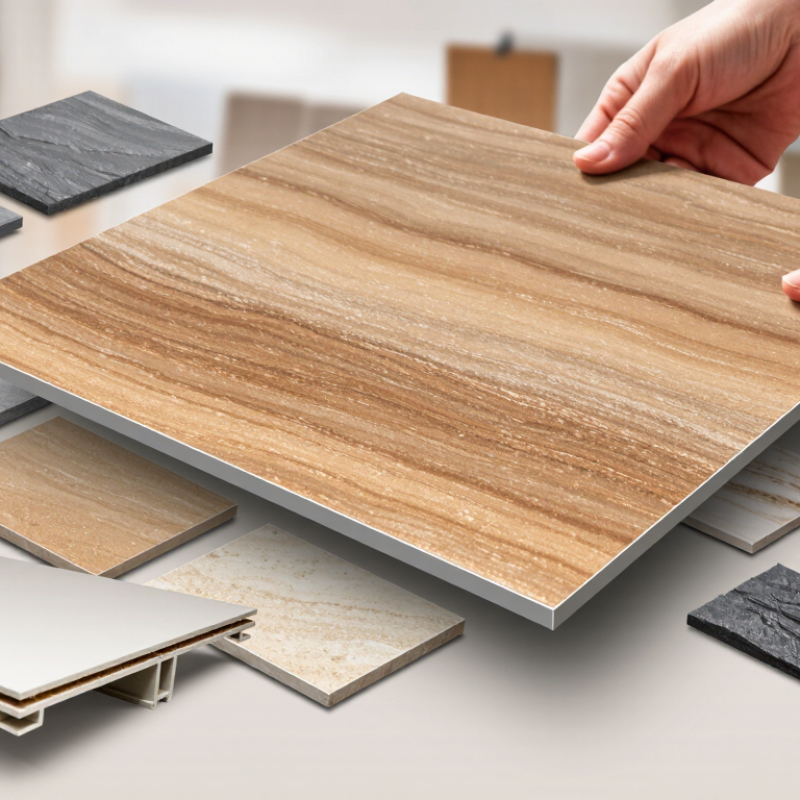
Define your project’s purpose, location, and design requirements before comparing colors or textures. An accent wall in a dry living room has different needs from an exterior feature exposed to rain, sun, and temperature swings. Check the product’s installation guidance for approved locations, substrate preparation, drainage details, and temperature limits. For outdoor use, examine UV and moisture performance, and ask how the finish may age. A sample beside your actual siding or flooring can reveal undertones that a screen hides.
Energy performance also depends on the whole wall, not the decorative surface alone. ENERGY STAR reports that sealing air leaks and adding insulation can save an average of 15% on heating and cooling costs in U.S. homes. That figure is not a PU stone savings estimate; it is a reminder to assess insulation and air sealing separately. Match the stone’s scale to the space, too: deep relief may cast striking shadows, but can feel busy on a narrow wall. I’ve found that one small sample rarely tells the whole story.
Tips: Write down the room or façade location, exposure to weather, desired look, and maintenance expectations. Then verify that the selected system suits those conditions with its technical data sheet. Bring samples to the site and view them in morning and afternoon light. A little tedious, perhaps—but it can prevent an expensive mismatch.
Choosing the best PU stone begins with the project’s location, structure, and visual purpose. Interior wall panels suit feature walls, while exterior-rated panels need stronger UV and moisture resistance. Faux brick creates regular, urban lines. Ledgestone offers uneven edges and a more natural appearance. Stacked-stone patterns can make a narrow wall feel heavier, so sample placement matters.
Texture changes the entire surface. Deep grooves create stronger shadows under side lighting. Fine textures look cleaner and collect less visible dust. I prefer touching samples rather than trusting photographs. A molded surface may appear realistic online but feel repetitive across a large wall. My early sample choice was too uniform, and the finished wall looked artificial. That mistake taught me to inspect several connected panels.
Size affects installation speed, joints, and visual scale. Large panels reduce seams, but they can overwhelm small rooms. Smaller pieces provide flexibility around corners, windows, and electrical outlets. Measure the wall carefully, then allow for cutting waste. Finishes deserve equal attention. Matte surfaces usually look more convincing for stone, while lightly weathered finishes add age without excessive contrast. A protective coating may improve cleanability, but it can also create unwanted shine. Test the finish under daylight and warm indoor lighting before ordering.
Durability begins with the installation environment. Check UV resistance, impact strength, moisture tolerance, and temperature cycling. A bathroom wall needs different protection than a shaded interior feature. Request test records using recognized methods, such as ASTM G154 for accelerated weathering. Also review adhesion and water-resistance results for the complete wall assembly, not only the panel. One weak joint can invite moisture behind the finish. Small details matter.
Safety requires more than a “fire-resistant” statement. ASTM E84 Class A materials have a flame-spread index of 0–25 and a smoke-developed index of 0–450. However, these values describe a test result, not every installation condition. Ask for assembly-specific fire reports, installation clearances, and ventilation guidance. The National Fire Protection Association also emphasizes evaluating wall systems under realistic fire conditions. A higher rating is not automatic proof of better performance.
Environmental suitability deserves careful checking. UNEP’s 2023 Global Status Report for Buildings and Construction reports that buildings produced 37% of global energy- and process-related emissions in 2022. Choose lightweight PU stone where it can reduce transport and structural demand, but verify the claim. Request a product-specific Environmental Product Declaration under ISO 14025 and EN 15804. Check recycled content, VOC information, service life, and disposal options. Data may be incomplete. That should be acknowledged, not hidden.
Tips: Compare three technical data sheets. Inspect sample joints after water exposure. Confirm local fire requirements before ordering.
Choosing PU stone starts with the installation surface, not the pattern or color. A neat surface can still be a poor surface.
Inspect the wall for dust, loose paint, oil, moisture, cracks, and uneven areas. Existing concrete, brick, drywall, and tile each require different preparation. Smooth tile may need abrasion, while dusty masonry may need cleaning and priming. Do not assume one adhesive works everywhere. Product testing should confirm bonding strength, working temperature, open time, and moisture tolerance. A practical trial uses a small test panel, such as 300 × 300 mm, left under site conditions for at least 48 hours. Check for lifting, hollow sounds, and edge movement.
Compatibility also includes fire and moisture performance. Polyurethane materials can be sensitive to heat and ignition sources, so installation must follow local fire codes and the technical data sheet. The 2023 Global Status Report for Buildings and Construction states that buildings account for about 37% of global energy and process-related emissions. That figure encourages careful material selection, but it does not replace substrate testing. A lightweight panel can reduce handling effort, yet poor adhesion creates waste and rework. This is easy to underestimate.
Allow movement at corners and around openings. Keep panels away from standing water. Existing surfaces are rarely perfect. That is the part worth questioning before installation.
Check installation needs and compatibility with the existing surface before selecting a PU stone system.
The indicative compatibility score reflects common installation considerations: sound concrete and cement render generally provide stable bases, while painted, tiled, damp, or moving surfaces require additional preparation, adhesion testing, or corrective work. Always confirm substrate condition, moisture level, load support, movement joints, and the installation instructions for the selected PU stone system.
How to Choose the Best PU Stone for Your Project?
Cost should mean more than the quoted price per square metre. Compare the delivered price, installation time, waste allowance, maintenance, and replacement risk. Grand View Research valued the global polyurethane market at about USD 78 billion in 2023, showing strong material demand but not automatic product quality. A low quote may hide thinner panels, inconsistent colouring, or expensive freight. Calculate the complete installed cost.
Quality needs measurable evidence. Ask for panel density, dimensional tolerance, water absorption, UV resistance, and fire-performance test results. Request samples from the actual production batch. Check the rear surface, edges, texture depth, and colour consistency under daylight. ASTM or EN test references are useful, but certificates should match the exact product. ISO 9001 describes quality systems, not guaranteed stone performance. That distinction is easy to miss.
Supplier support can protect the budget after delivery. Confirm lead times, packaging standards, installation guidance, spare panels, and written replacement procedures. Request technical drawings before ordering. A reliable supplier should explain adhesive compatibility and substrate preparation clearly. On practical projects, missing installation advice can create more cost than a small material discount. A pilot installation is wise. It also reveals weak corners, visible joints, or unrealistic labour estimates. No choice is perfect; project conditions can expose assumptions that looked reasonable in a spreadsheet.
| PU Stone Option | Recommended Application | Typical Material Cost (USD/ft²) |
Typical Weight (lb/ft²) |
Typical Thickness | Moisture and UV Performance | Quality Considerations | Supplier Support to Request | Overall Fit |
|---|---|---|---|---|---|---|---|---|
| Standard Decorative PU Stone Panel | Interior accent walls, feature walls, retail displays, and low-impact decorative areas | $4–$9 | 0.6–1.2 | 0.4–1.0 in | Suitable for dry interiors; exterior use requires a product-specific weathering rating and protective coating | Check surface consistency, color repeat, edge fit, odor, and resistance to denting | Installation guide, sample piece, batch color information, and replacement policy for damaged panels | Best for budget interiors |
| High-Density PU Stone Panel | High-traffic interiors, hospitality spaces, commercial walls, and areas requiring improved impact resistance | $7–$14 | 1.0–2.0 | 0.6–1.5 in | Generally more resistant to dents and handling damage; confirm exterior UV and water exposure ratings before use | Review density, compression resistance, dimensional stability, texture depth, and color uniformity | Technical data sheet, installation training, adhesive compatibility guidance, and quality inspection records | Best balance of durability and cost |
| Exterior-Rated PU Stone Panel | Covered outdoor walls, façades, entrance features, and climates with seasonal moisture exposure | $8–$16 | 1.0–2.2 | 0.7–1.8 in | Must have documented resistance to water absorption, temperature changes, and UV exposure; sealing may still be required | Verify freeze-thaw suitability, coating durability, drainage details, and compatibility with the wall substrate | Exterior installation method, weathering test information, warranty terms, and maintenance schedule | Best for qualified exterior use |
| Fire-Performance PU Stone Panel | Commercial interiors, public buildings, corridors, and projects with specified fire-performance requirements | $10–$20 | 1.0–2.4 | 0.6–1.6 in | Moisture and UV performance vary by formulation; fire classification must be confirmed for the complete wall assembly | Do not rely on the phrase “fire resistant”; request the applicable test standard, classification, and installation limitations | Compliance documents, test reports, approved adhesive details, and project-specific technical review | Best when compliance is critical |
| Custom-Molded PU Stone Panel | Projects requiring a specific stone profile, repeated architectural details, or a custom color and texture | $14–$30+ | Varies by mold and design | Project-specific | Performance depends on the selected formulation, coating, and installation environment; require project-specific validation | Evaluate prototype accuracy, repeatability between batches, mold life, color approval process, and dimensional tolerance | Design consultation, prototype approval, mold ownership terms, production schedule, and spare-piece availability | Best for distinctive designs |