Wpc Flat Panel Tips for Global Buyers to Maximize Value
In the competitive landscape of global sourcing, Wpc Flat Panel products stand out for their versatility and durability. Buyers often seek value, yet many overlook crucial aspects that can significantly impact their decisions. Knowledge about materials, manufacturing processes, and market trends is essential. A well-informed buyer can spot quality variations and avoid common pitfalls.
Understanding the unique attributes of Wpc Flat Panels can lead to enhanced purchasing decisions. These panels offer a balance of performance and price. Buyers, however, must assess supplier credibility and product certifications thoroughly. Some may find it challenging to navigate the myriad of options available, leading to suboptimal choices.
Continuous learning and careful research are vital for maximizing value in Wpc Flat Panel purchasing. Engaging with industry experts and learning from past experiences can illuminate the path to wiser investment. By reflecting on previous purchasing decisions, buyers can improve their strategies, ensuring they do not repeat mistakes.

Understanding WPC Flat Panels and Their Uses in Global Markets
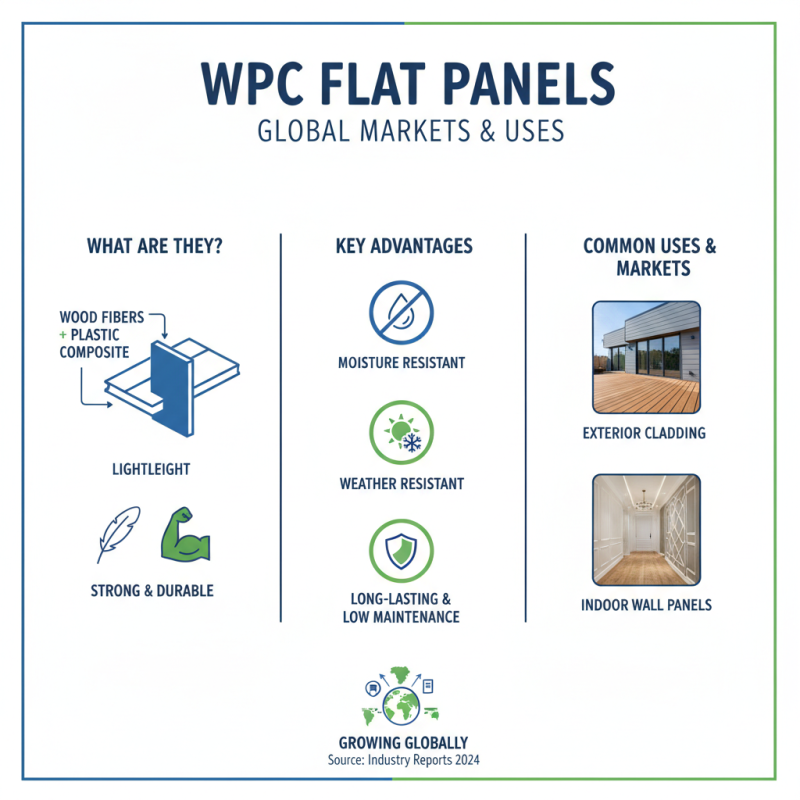
WPC flat panels have become a popular choice in various global markets. These panels offer a unique combination of durability and aesthetics. Made from wood plastic composite, they are lightweight yet strong. WPC flat panels resist moisture and can withstand harsh weather conditions. This durability makes them ideal for outdoor applications, such as decking and cladding.
In construction, WPC flat panels serve multiple purposes. They are commonly used in flooring, partitions, and furniture. Designers appreciate their versatility and ease of installation. The panels can mimic natural wood patterns while providing added resistance to decay. However, not all WPC products are created equal. Buyers must carefully assess quality and sourcing practices before purchasing.
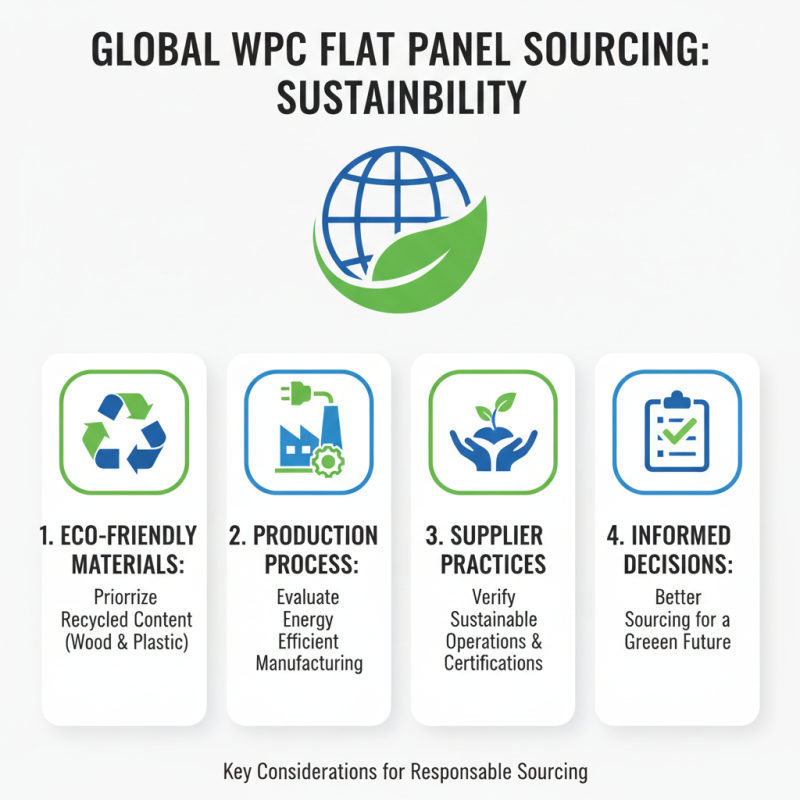
Global buyers should prioritize reputable manufacturers. Reviewing certifications and production methods can help ensure reliability. It's crucial to consider the environmental impact as well. While WPC panels are often marketed as eco-friendly, the sourcing of materials can influence their sustainability. Understanding these factors is key to making informed decisions.
Key Factors Affecting the Value of WPC Flat Panels for Buyers
When considering the value of WPC flat panels, buyers must understand several key factors. The first is material quality. High-quality wood-plastic composites offer better durability. Buyers should examine the composition and the production process. Poor quality may lead to issues like warping or fading.
Another factor is the production standards. Ensure that the panels meet international quality certifications. Without these standards, you risk purchasing inferior products. Check for warranties or guarantees offered by the manufacturer. This indicates their confidence in the product longevity.
Additionally, market trends should influence purchasing decisions. Prices can fluctuate based on demand. If buyers are not aware of these trends, they may pay more than necessary. Understanding seasonal changes can lead to better purchasing timing. Lastly, consider the environmental impact. Sustainable practices increase value while appealing to eco-conscious consumers. Think critically about each aspect before making decisions.
WPC Flat Panel Value Analysis
Tips for Evaluating Quality and Durability in WPC Flat Panels
When evaluating WPC flat panels, quality and durability are paramount. The Wood Plastic Composite (WPC) market has grown significantly, expected to reach over $10 billion by 2027, according to recent industry reports. Buyers need to understand the material composition. A reliable panel comprises at least 60% wood fibers. If the content is lower, the panel might lack structural integrity.
Testing for moisture resistance is crucial. Panels that absorb more than 5% moisture can warp or degrade more quickly. A study by the National Wood Flooring Association highlights that WPC panels outperform traditional wood in moisture-prone environments. Look for certified products that meet ASTM standards for durability. These regulations ensure products undergo rigorous testing for impact resistance and longevity.
However, not all products are created equal. Some panels may pass initial tests but deteriorate under real-world conditions. It's essential to assess long-term performance data and customer reviews. Checking the warranty is also a key factor. A limited warranty may indicate potential issues with durability. Evaluating these aspects thoughtfully will help buyers maximize their investment in WPC flat panels.
Best Practices for Negotiating Prices and Contracts in WPC Purchases
Negotiating prices and contracts in the WPC (Wood Plastic Composite) industry requires careful planning and insight. According to a recent industry report, effective negotiations can reduce costs by up to 15%. Understanding the market dynamics is crucial. The demand for WPC products has surged, driven by their eco-friendliness and durability. This shift presents both opportunities and challenges for global buyers.
One important tip is to conduct extensive market research. Familiarize yourself with current prices. Use data from credible sources, such as industry publications and trade shows. This research will empower buyers to argue for favorable terms. Having a solid understanding of competitive pricing enables one to negotiate effectively. Flexibility can lead to better offers and contracts that provide more value.
Moreover, clear communication is essential. Include specific performance metrics in contracts. Ensuring they align with business goals is vital for long-term success. However, beware of overpromising on delivery times, which can lead to trust issues with suppliers. Keeping negotiations transparent fosters strong relationships with manufacturers and can lead to better deals in future transactions.